Token Transit
- 4.3
- Rating
- 1.00M
- Installs
- Free
- Price

 Analysis by App-foxy
Buying a bus or train pass from a phone sounds like a small convenience, but it becomes much more valuable when you are standing at an unfamiliar stop, running late, or trying to avoid a ticket machine. That is the main reason I find Token Transit worth considering. It is a free Travel & Local app from Token Transit, Inc. that puts public-transit pass purchases on a phone, then lets the phone act as the practical starting point for a ride.
My experience with it is best summed up this way: it is not a complete replacement for learning a transit system, and it is not automatically the best choice for every city. Its strength is narrower and more useful. When the service you need is supported, it can remove the awkward payment step between deciding to travel and actually boarding. That makes it especially appealing for occasional riders, visitors, and anyone who dislikes handling cash or searching for a vending machine.
The app has been available since December 9, 2016, and its current version is 4.7.6. It is free to install, suitable for Everyone, and runs on Android versions starting with 5.0. Its public reception is encouraging: the app holds a 4.3 average from around 3.2 thousand ratings, with roughly 1.2 thousand written reviews and over one million installs. Those figures do not make it perfect, but they do suggest that the basic phone-based ticketing idea has proved useful to a sizeable group of riders.
You May Also Like

 Blood Strike: 2.5 Anniversary
Blood Strike’s Loadouts Turn Every Drop Into a Tactical Gamble
A close look at Blood Strike’s custom loadouts: how fast access to signature weapons reshapes its battle royale rhythm, rewards preparation, and narrows the gap between fights.

 Pandora - Music & Podcasts
Pandora’s Music Is Easy to Start, but Harder to Recover
Pandora’s strength is its low-effort path from a seed to a station. Its weak spot is how much confidence it asks you to place in connection, setup, and quiet recovery.

 8 Ball Pool
 Is Built on Rivalries, Rematches, and Routine
A close look at the rivalries, rematches, shared routines, and unanswered safety questions that turn a quick pool match into a persistent mobile community.

 Samsung Music
’s Quiet Strength Is Playing What You Already Own
Its reach comes less from spectacle than from dependable access to a personal library. That simplicity is both the app’s strongest retention engine and its ceiling.

 AccuWeather: Weather Radar
AccuWeather Review: A Quick, Clear Forecast for Everyday Decisions
For everyday plans, the best forecast is the one you can understand quickly. AccuWeather makes rain timing, radar, and local conditions easy to act on, with a few trade-offs.

 Hill Climb Racing
Why Hill Climb Racing Still Turns Crashes Into One More Run
A tiny car, a bumpy hill and one more upgrade: Hill Climb Racing keeps resurfacing because its simple chaos makes every near-miss feel personal.
More From Our News Desk



Buying a transit pass is the real feature, not a side detail
The central capability is straightforward: use your phone to buy a pass for public transport. That sounds similar to many transit apps, but the difference matters. A journey-planning app may tell you when a vehicle arrives, while a traditional city transport app may focus on maps, alerts, or a local payment system. Token Transit is centered on the moment when you need valid travel access.
I think of it as a digital alternative to the small decisions that usually slow down a trip. Do I have the right coins? Is the ticket booth open? Which machine sells the pass I need? Can I buy a pass before I reach the platform? Moving that transaction onto the phone can make the whole journey feel less fragile.
The useful part is not merely avoiding paper. A phone-based pass can be easier to keep track of than a loose ticket, particularly when you are changing plans during a day out. It also gives a visitor a more familiar payment workflow than trying to understand a local machine immediately after arriving in a new place. The biggest benefit is reducing uncertainty at boarding time.
That benefit depends on the transport service involved. Token Transit is not a universal pass for every bus, tram, subway, or regional rail operator. You still need to select the relevant transit system and choose a pass that matches your ride. If the local service is not available through the app, the convenience disappears, so I would check the app before relying on it for an important connection.
What the phone changes during an ordinary trip
In a normal use case, I would open the app before leaving, find the participating transit service, and look at the available pass choices. The important habit is to do this before I am already at the vehicle door. That gives me time to read the pass description, confirm that it suits the planned ride, and deal with any sign-in or payment step without a queue behind me.
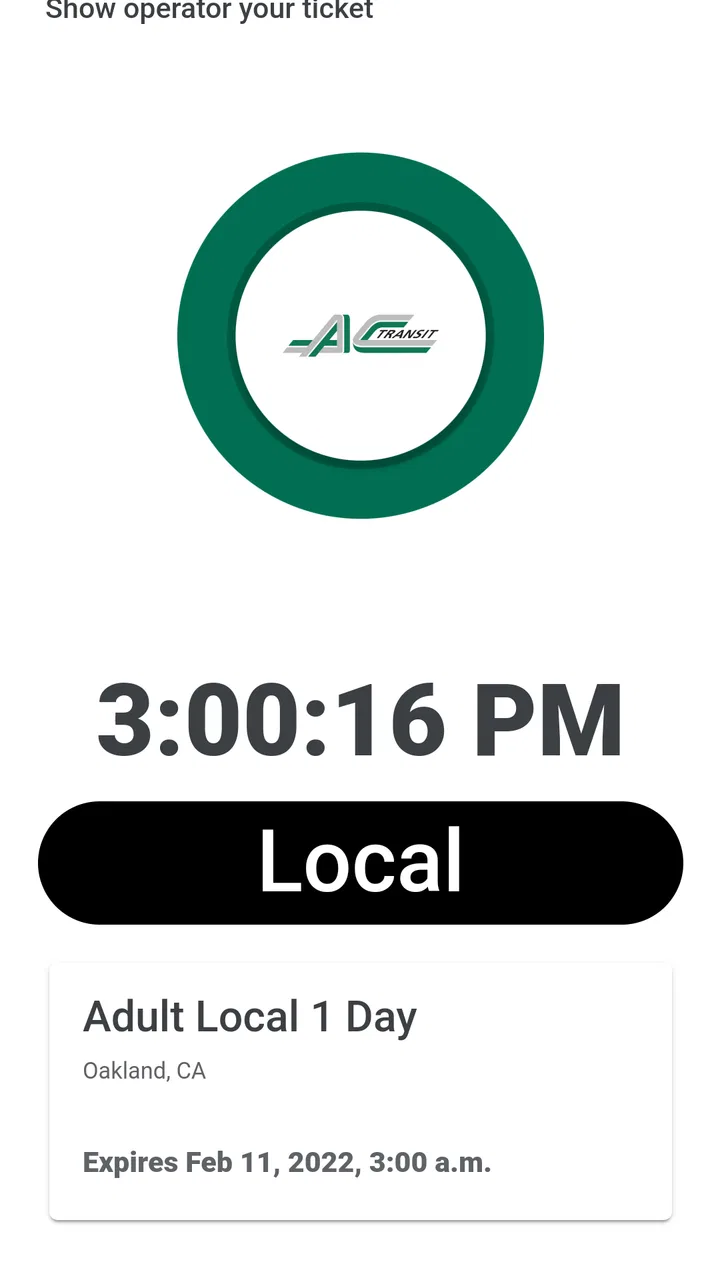
Once the pass is purchased, the phone becomes part of the boarding process. This is where preparation matters more than people expect. I would keep the device charged, make sure the screen is easy to access, and avoid burying the app under several layers of other tasks. A digital ticket is convenient only when it can be shown quickly and clearly.
I also recommend checking the pass type rather than choosing the first option that looks familiar. A single-ride purchase may be sensible for one short trip, while a day pass can be better when several rides are likely. The right choice depends on the local fare structure and the journey, not on the fact that buying through a phone feels quicker.
One less obvious advantage is planning around uncertainty. Suppose I am visiting a city for an afternoon and expect to take a bus to a museum, another vehicle to a market, and a final ride back toward my hotel. Buying the appropriate pass before the first boarding can keep the rest of the day focused on the visit instead of repeated payment decisions. This is particularly useful when I do not know where local ticket machines are located.
There is also a practical trade-off in buying early. A pass may have rules about when it becomes usable or how it is presented, so I would not purchase something casually days before a trip without reading the on-screen details. The app makes access easier, but it does not remove the need to understand the pass selected.
A realistic day with Token Transit
Imagine arriving in a town for a medical appointment or a day of sightseeing. You have a few minutes before the bus, your wallet contains unfamiliar coins, and the stop has no obvious ticket machine. Instead of delaying the trip, you open Token Transit, locate the local service, and review the available options. If the correct pass is offered, you buy it before boarding and keep the phone ready.
That workflow is more valuable than it first appears. The traveler is not just saving a payment step; they are avoiding a chain of small problems: finding change, guessing which ticket to select, and discovering too late that a machine is out of service. After the appointment, the same app can be used to prepare for the return ride, provided the selected pass and local rules fit that journey.
For a regular commuter, the value may be different. Someone who takes the same route every day might prefer a local transit card, a monthly product, or an operator-specific app if those options offer a faster routine. Token Transit is especially compelling when the travel pattern changes: occasional work trips, weekend errands, visiting relatives, or public transport in more than one place.
Families and groups should think carefully before boarding. One phone may be enough for one rider, but a group may need several passes or a method for presenting each rider’s proof of payment. I would not assume that one purchase automatically solves every passenger’s needs. The app is convenient, but the practical details still depend on the pass and transit system.
Where the app helps most, and where another option wins
I find Token Transit most useful when the journey is unfamiliar but the fare decision is still manageable: I can check the available pass before I reach the stop instead of making a rushed choice at the door. Its focused approach is also its boundary, so this section weighs that convenience against cases where a city-specific app or physical card is the more dependable fit.
Visitors and occasional riders gain the clearest advantage
The best audience is someone who needs public transport without already knowing the local routine. A visitor may not want to download several city-specific apps, register for a physical card, or search for a shop selling tickets. A single app focused on purchasing passes can be a simpler first attempt, especially for a short stay.
I also see a strong use case for people who ride infrequently in their own area. If you normally drive but occasionally use a bus for a concert, appointment, or event, a phone-based purchase can be less effort than maintaining a transit card or remembering where it was last placed. The app is useful precisely because it does not require public transport to be your daily habit.
It can also help when plans change. A person may intend to walk but decide to take a bus because of rain, tiredness, luggage, or a delayed meeting. In that situation, the ability to investigate and purchase a pass from the phone is more flexible than relying on a ticket machine at a stop you have never used.
When a city-specific app or physical card is better
I would choose a local operator’s app when I need detailed route information, service alerts, account tools, or a long-term commuting setup that Token Transit is not designed to replace. A physical transit card can also be better for someone who rides every day and wants the quickest possible tap or scan without opening a phone.
There is another important limitation: the phone becomes part of the ticketing dependency. A low battery, a damaged screen, poor preparation, or difficulty unlocking the device can turn a smooth purchase into a stressful one. I would treat the app as a convenient payment channel, not as permission to ignore ordinary travel preparation.
People who prefer cash, do not want to manage tickets digitally, or rarely carry a charged smartphone may be happier with a staffed booth, vending machine, or physical pass. Likewise, a rider who needs one highly specific fare product should compare the available choice in Token Transit with the operator’s own channels before committing to it.
Small habits that make the experience better
My first tip is to explore the app before the urgent trip. Search for the destination’s transit service while you still have time, inspect the pass choices, and learn where the active ticket appears. This turns a rushed first use into a familiar routine. It is a simple step, but it is the difference between “I have a ticket ready” and “I am still navigating menus while the bus arrives.”
My second tip is to separate route planning from fare buying. Token Transit can solve the pass problem, but I would still use the transit operator’s information or another route-planning tool when I need the most current departure details. Treating those as two related jobs prevents disappointment when an app is good at payment but not the only source you need for the journey itself.
My third tip is to keep the phone accessible after purchase. I would not close the app, lock the device away, or assume that a screenshot is always an acceptable substitute for the in-app pass. The safest approach is to follow the presentation instructions shown for the selected pass and be ready to display it when requested.
A fourth useful habit is to review the purchase before confirming, especially when several fare products look similar. A pass that seems inexpensive may not match the number of rides, zones, or validity period you actually need. The app can make buying faster, but speed is not the same as accuracy.
How it feels compared with the usual alternatives
Compared with cash, Token Transit is cleaner and less dependent on carrying the right change. Compared with a paper ticket, it is harder to misplace in a pocket but more dependent on the phone. Compared with a physical transit card, it is usually more approachable for a visitor or occasional rider, while the card may be more natural for a daily commuter.
Compared with a city-specific transit application, its appeal is the focused purchase experience rather than a complete local ecosystem. A local app may be stronger when one transport authority offers rich maps, disruption notices, stored payment details, and commuter accounts. Token Transit makes more sense when the main question is simply, “How do I get the pass I need for this ride?”
That distinction helps set expectations. I would not install it expecting a universal travel companion. I would install it when buying a supported public-transit pass from a phone is the problem I want solved. The narrower purpose is also why the app can feel less cluttered than a broader mobility platform.
My recommendation after using it
Token Transit is a useful Travel & Local app with a clear practical role. Developed by Token Transit, Inc., it focuses on making public-transit pass purchases less awkward, particularly when I am traveling occasionally or navigating a place I do not know well. Its free price and Everyone content rating make it easy to try, and support for Android 5.0 or later keeps it accessible to many older devices.
I would recommend it to visitors, occasional riders, and people who want a backup option when cash or a ticket machine is inconvenient. I would be more cautious about recommending it as the only transit tool for a daily commuter, a large group, or a journey where a particular operator’s card and service information are essential.
The app’s real value is not that it turns every transit trip into a one-tap experience. It is that, in the right supported system, it removes one frustrating barrier at exactly the moment a rider needs confidence. Prepare the pass before boarding, check the fare carefully, keep the phone ready, and use a separate source for detailed route planning when necessary. With those expectations, I find Token Transit a sensible and genuinely helpful way to make occasional public transport feel more manageable.
FAQs for Token Transit
01What is Token Transit and how does it work?
Token Transit is a mobile app that allows users to purchase and use public transit passes directly from their smartphone. Once you’ve downloaded the app, you can buy passes for participating transit agencies, store them digitally, and activate them when needed. This eliminates the need for physical tickets or cards.
02Which transit agencies are supported by Token Transit?
Token Transit partners with various transit agencies across North America. To check if your local transit agency is supported, you can visit the Token Transit website or search within the app. The app is frequently updated to include new agencies, ensuring broad accessibility for users.
03Is Token Transit available for both Android and iOS devices?
Yes, Token Transit is available for download on both Android and iOS devices. You can find it on the Google Play Store for Android and the App Store for iOS. The app is designed to provide a seamless experience across both platforms, allowing users to manage their transit passes easily.
04How secure is my payment information on Token Transit?
Token Transit uses secure payment processing to ensure that your financial information is protected. The app does not store your credit card details directly; instead, it uses encrypted transactions to safeguard your data. Users can feel confident that their information is handled with the utmost security.
05What if I encounter an issue with my transit pass on Token Transit?
If you experience any issues with your transit pass, Token Transit offers customer support to assist you. You can contact them through the app or via their website. Additionally, they provide troubleshooting guides and FAQs to help resolve common issues quickly and efficiently.
Pros
- Easy-to-use interface for quick access.
- Supports various transit systems seamlessly.
- Secure payment options with multiple methods.
- Notifications for pass expiration reminders.
- Environmentally friendly digital ticketing.
Cons
- Limited availability in some regions.
- Requires internet for initial ticket purchase.
- No offline mode for ticket access.
- Occasional app crashes reported by users.
- Limited customer support response time.

Token Transit
Gallery